
FF&E Budgeting
How to build accurate cost estimates and avoid late surprises.
How to estimate FF&E budgets early – without blowing budgets later on.
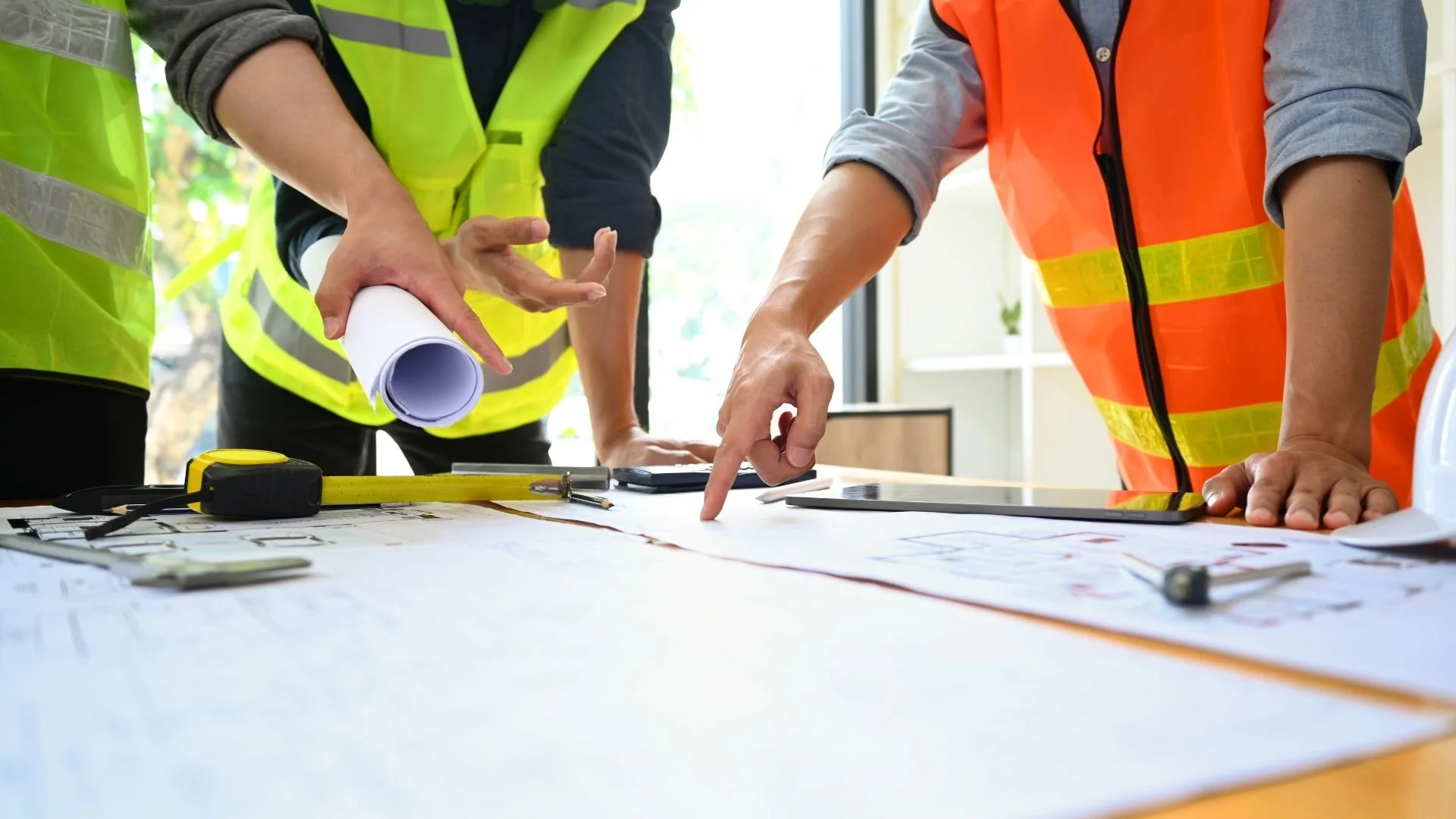
Get every department together as early as possible to get the ball rolling.
Why FF&E Budgets Are so Often Wrong at the Early Stages
Designs are not fixed – too many shareholders, no clearly identified interior designer, vision, or set functions for spaces, leading to consistently changing designs and specifications with ever-changing prices.
Assumptions aren’t documented – whether the final number of rooms, the purpose of a space or business opening schedules, assumptions are misleading, poorly communicated and can lead to numerous iterations of what should be a simple quotation process.
Lead times ignored – by delaying locking in design choices, lead times can continue to fluctuate over time, ultimately leading to price increases or higher emergency delivery rushes.
Compliance considerations are missed – when key safety or regulatory features are missed at the initial design and furniture consultation, key product features can be missed. When they are then added to ensure compliance at a later stage, costs rise.

Work with technical drawings for technical information about spaces, dimensions and room types.
What Information Do You Need to Build Your FF&E Budget.
-
Hotels, care homes, restaurants, etc all come with their own regulations, behavioural patterns and design considerations that heavily influence FF&E. Fully understanding the market you are entering and purpose your business spaces serve helps understand your FF&E essentials, nice to haves and optional extras.
-
More than “budget” or “high end”, build a true quality benchmark for your project, based on real world examples that can be understood by all stakeholders. Quantitative information is not always essential, but at times can be desirable when it’s understood by everybody. For example, thread count of sheets, spring count in mattresses or rub score for upholstery material can help guide your process and alignment.
-
Ensure your floor plans are accurate and up to date. For example, if building a hotel, you must understand the number of bedrooms, vs restaurants, reception areas. More than that, saying 100 bedrooms doesn’t provide enough info. You must break that into room types: e.g. 30 single rooms, 45 doubles and so on. This level of detail is required to allow for accurate costings and procurement.
-
Bespoke, made to measure cabinetry or shelving will come at a higher price than standard, freestanding items. Off the shelf items that can be bought in bulk and used in every room, helping refine prices. Built in items vary in shape, style and manufacturing for nearly every room. Both of these come with greatly different visual impact and performance, so you must consider which you intend to install along with your budget planning.
-
FF&E covers furniture, fixtures and equipment. This is a different remit to OS&E (operating supplies and equipment) although many suppliers can cover both. Understanding the OS&E requirements and setting clear boundaries between that and FF&E will help your understanding of budget allocations.
-
There are MANY facts to confirm ahead of delivery. This stage is time consuming, inconvenient and can lead to numerous issues when assumptions are made. For example, which items require assembly, who is placing them into rooms, is packaging being removed? Will lifts be functioning and access easy for larger items, or are cranes required for items to the upper floors?
Uncertainty is normal at the early stage of your projects; however, when uncertainty is unmanaged, you run into issues at every stage that have a snowball effect on the project costs. Taking the time to confirm further details and assumptions helps you gain accurate and holistic quotes, covering costly details.

FF&E specialists can help you value engineer designs for affordable, high performance options.
Cost Planning Methods for FF&E
Early-stage budgets are rarely built from fully realised design specs. Instead, budgets are allocated using benchmarking methods to gauge a realistic starting point. Take a look at the methods below and review their limitations and potential benefits in establishing a baseline.
Cost per Room or Unit
This method is popular where there are high volumes of a certain room style, such as student accommodation or built-to-rent flats. In these projects, FF&E budgets are commonly allocated as cost per room, cost per key, or cost per unit. This allows you to assign a total value to each space, then prioritise items within each space.
The Risk of Averages
Benchmarking methods like this are a great starting point, but are dangerous if relied on for too long. They don’t account for different room types (single, double, suite). To help, you must break down the assigned cost per unit to the items required for the space, so not every item tries to pull the budget their direction.
Elemental Allowances
As soon as your project allows, an elemental allowance is highly recommended as a more accurate way to move away from averages. This involves breaking down the budget for each component of your FF&E requirements: bed, mattress, case goods, tables, seating, and lighting.
Even at the initial stages, this more detailed budget allocation allows the team to identify potential high-risk budget areas, value engineer items without undermining the design vision or adjust quality levels of items.

Allocating budgets early, helps every stakeholder work within project boundaries.
What Contingency Should You Allow for FF&E in 2026?
Traditional contingency was based on extending the bottom line by a fixed percentage. Risks were calculated based on stable supply chains, predictable lead times and relatively small design changes as projects progressed. Unfortunately, these assumptions are no longer true in the current market, making it risky to rely solely on benchmark predictions.
Lead Time Volatility
Lead times are now one of the biggest challenges FF&E faces. Global manufacturing, shipping, customs processes and local availability all affect delivery schedules with little to no notice! This can lead to switching suppliers, expediting production or accepting higher shipment costs to speed things up. To overcome this, take time to build honest and strong working relationships with suppliers, and commit to items as soon as you can to “lock in” orders ahead of time.
Material Price Fluctuations
FF&E costs are closely tied to raw materials such as fabrics, foams and woods. Price fluctuations from early budgeting stages to final procurement can vastly differ. In addition, exchange rate movement can affect imported products, meaning that early allowances may no longer reflect procurement costs by the time an order is placed. Rather than assuming price consistency, contingency should reflect the project's exposure to market movements over time.
Spec Upgrades for Safety or Sustainability
As projects develop, if interiors and FF&E planning are not thorough, fire safety, durability, or sustainability criteria can slip past the initial stages. When these essential design considerations are bolted on at the later stages, they come with higher prices due to the rushed nature! You must either work with professional FF&E suppliers who can catch these details early or build in significant contingency.
How to View Contingency
Rather than a simple fixed percentage, you should view contingency as a response to both known and unknown risks. More clarity on spec, design intent, lead times, and regulation compliance will help you assign an accurate contingency. Conversely, the more vague your initial design stages, the less accurate your budget and contingency, and the more challenges you are likely to run into.
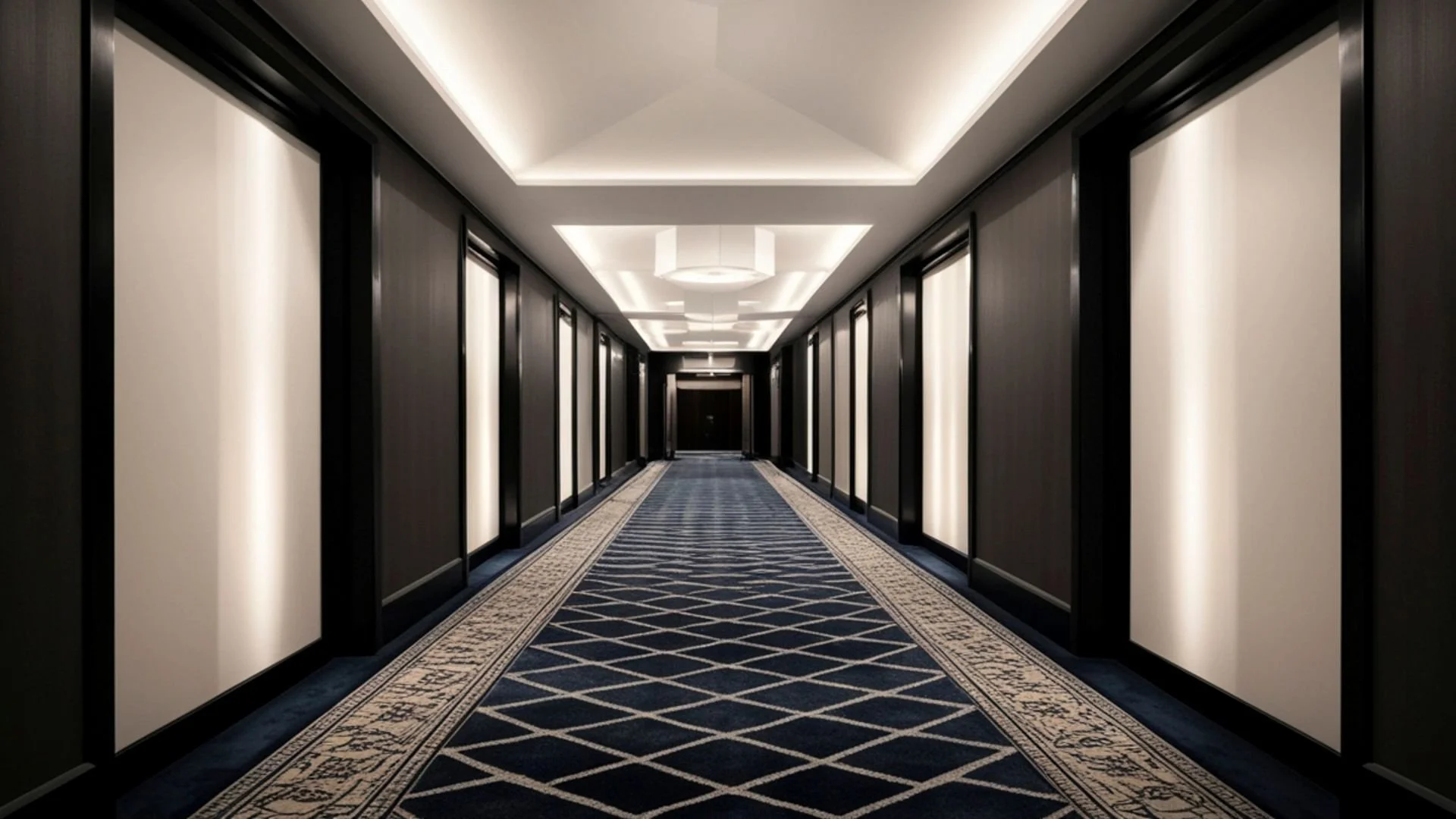
High quality finishes can be accomplished through effective budget and project management.
How Early FF&E Involvement Improves Budget Accuracy
One of the best ways to safeguard your budget is the early assignment of your FF&E supplier. Their expertise can bring regulatory, benchmarking and product spec considerations to the forefront of your mind, before they become costly bolt-ons.
This early involvement doesn’t mean you must pick final specifications; it is about testing your assumptions while there is still time and flexibility.
-
Early supplier engagement allows your provisional specs and allowances to be grounded in real market conditions rather than generic benchmarks. Early input can help you understand realistic lead times, identify high risk items and flag regulations or price volatility points.
-
Visualisations help bridge the gap between concept design and final specification. By testing key FF&E elements early on, the project can agree and confirm levels and finishes, durability concerns and avoid late stage changes that disproportionately impact cost.
-
Early FF&E involvement also allows for alternative options to be explored in parallel. This can be more than different colour schemes, extending to locally sourced vs imported products, different material qualities or the ultimate preference vs cost engineered versions. Having these options helps the team to quickly engage and make informed budget decisions without compromising design (especially where mock ups are used).
-
Your FF&E budget is not only affected by WHAT you purchase, but how those items arrive and when. Early consideration for logistics can highlight important details:
· Restricted site access
· Limited storage space
· Phased handovers or live environment
· Installation sequencing
Identifying these constraints early helps avoid cost pressures caused by mishandled deliveries, re-handling or out-of-sequence installation.
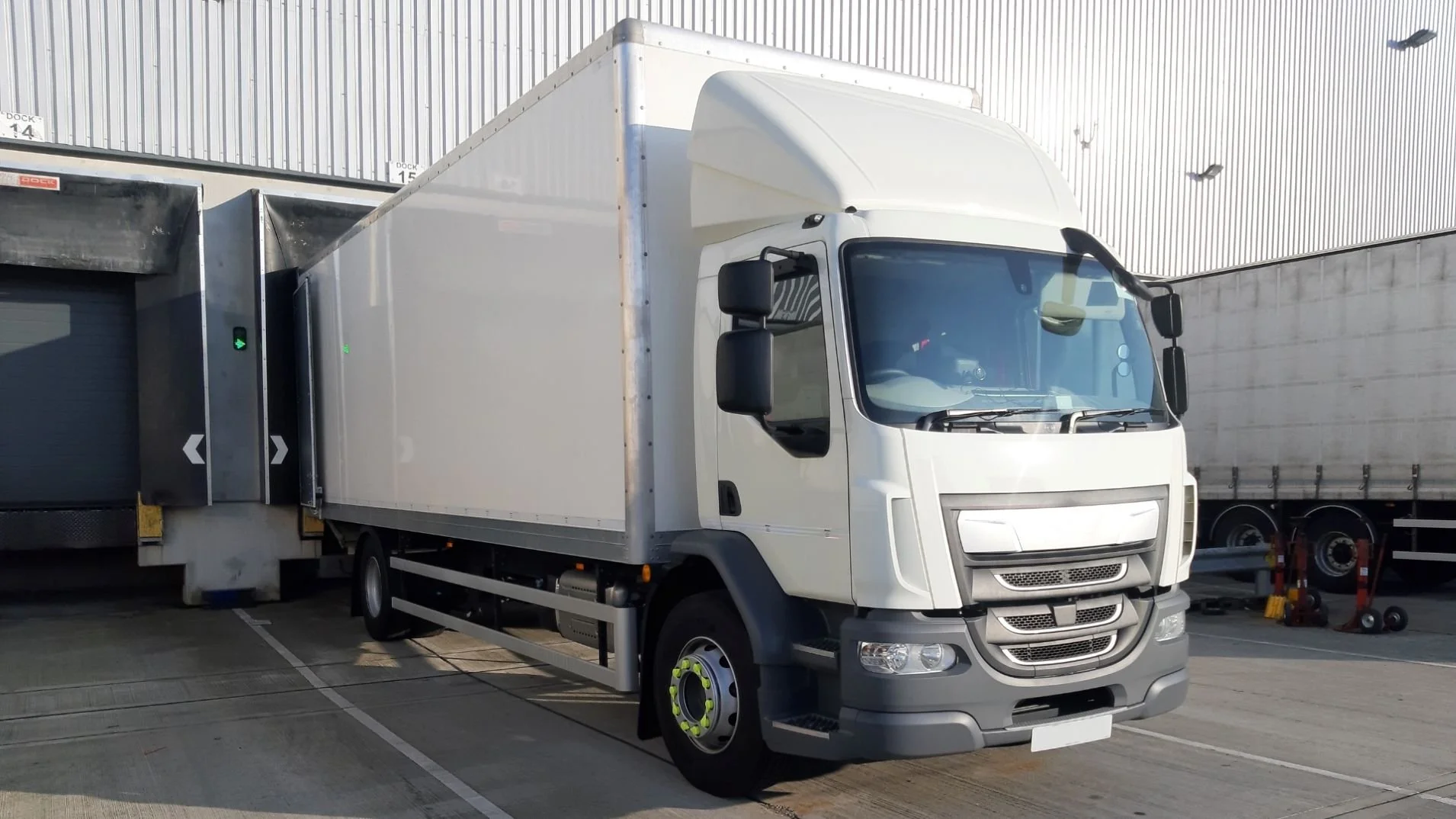
Delivery and installation can bring many additional costs. It is key to iron out details for this stage.
The Key Takeaway for Good Budgeting
Accurate FF&E budgets aren’t about guessing or plucking figures from thin air – they are about asking the right questions as early as possible. When FF&E is considered as part of the wider project strategy, rather than a package deal to be dealt with, teams gain further clarity, better cost controls and fewer surprises as the project moves from design to delivery.