
Sustainability in FF&E
How FF&E Supports Sustainability, BREEAM and Net Zero Goals
Sustainability in design and construction is no longer a “nice to have” and is seen as an expected consideration from the get-go. BREEAM is set early, and as with all project targets, the sooner you consider your choices and data, the better the impact on your long-term goals. FF&E is often overlooked until far later in the project process, however it can greatly impact performance on many metrics. The time delay in FF&E appointment creates gaps in performance that can be high-risk. This article breaks down the key frameworks, and questions you should consider when starting your development project.
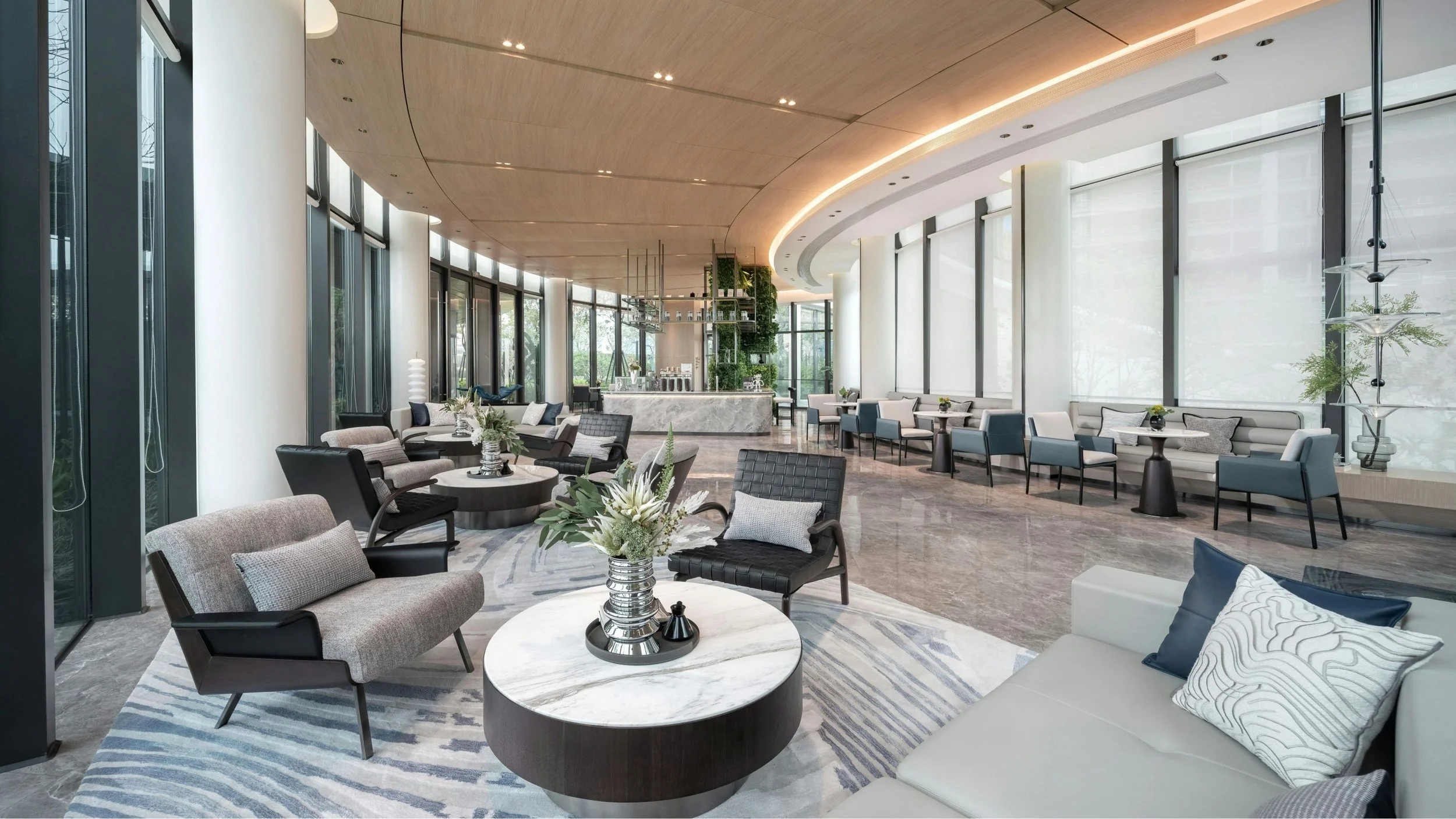
Does FF&E Actually Affect BREEAM?
Furniture, fixtures and equipment do not earn standalone credits; however, it supports credit for overall material use, wellbeing, waste and project management sectors. The impact of FF&E choices on BREEAM is indirect, but when considered, it can be vast and real.
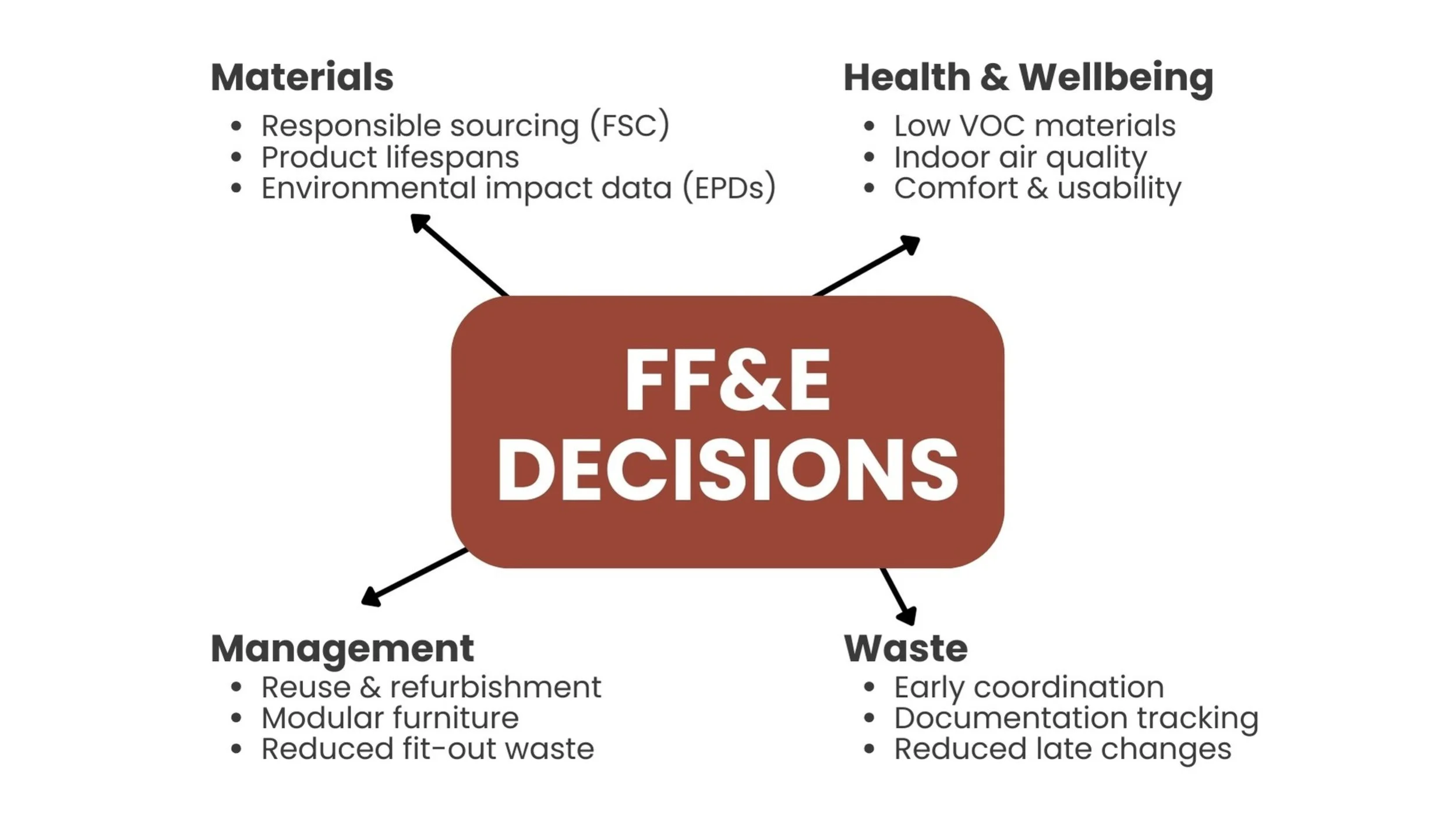
What Sustainability Questions You Should Ask Throughout the FF&E Stage.
Often, when FF&E is left to the later stages, when sustainability targets have been set, and layouts and budgets are under pressure, you lose the ability to consider the product lifecycle fully. Asking the right questions, early on in the FF&E process, helps prevent sustainability from becoming a last-minute scramble, but instead embeds sustainability into practical decision-making.
-
Starting with the basics, understanding the materials behind your FF&E items is the first step. Are products made from responsibly sourced timber, do they have recycled content, or composite materials? Are their supply chains transparent?
More than the raw materials, sourcing is about the origin of items – it also impacts lead times, availability, and long term replacement plans, all of which have sustainability and cost implications.
-
Anecdotal assurance is no longer acceptable. Hard evidence of sustainable features must be provided through appropriate documentation. Common certification includes:
· FSC or equivalent timber certification
· Environmental Product Declarations (EPDs)
· VOC and indoor air quality data for finishes, foams and adhesives
Working with an FF&E specialist will help you understand what evidence exists – and what doesn’t – helping you avoid gaps when certification requirements are being reviewed.
-
Durability is an easy factor to overlook through sustainability. Even with “green” materials, a short replacement cycle can undermine sustainability targets.
Understanding the real world use of items, their performance and whole life value, helps prevent short replacement cycles that drive poor sustainability credentials and higher costs.
-
Furniture that can be repaired, or adapted to another use extends an item’s useful life and reduces project waste. At the FF&E stage you should consider if items are designed with:
· Replaceable components
· Reupholstery options
· Modular or adaptable construction
By considering the extension of life you support circular economy thinking and provide flexibility over the life of the building, not just one product.
-
End of life planning is often overlooked during the specification stages, yet plays an important role in sustainability targets. Consider whether your items can be:
· Reused elsewhere
· Refurbished to serve a new purpose
· Responsibly recycled
· Returned to supplier via a take-back scheme
Asking the above questions helps you align FF&E decisions with your wider waste reduction and sustainability strategies.
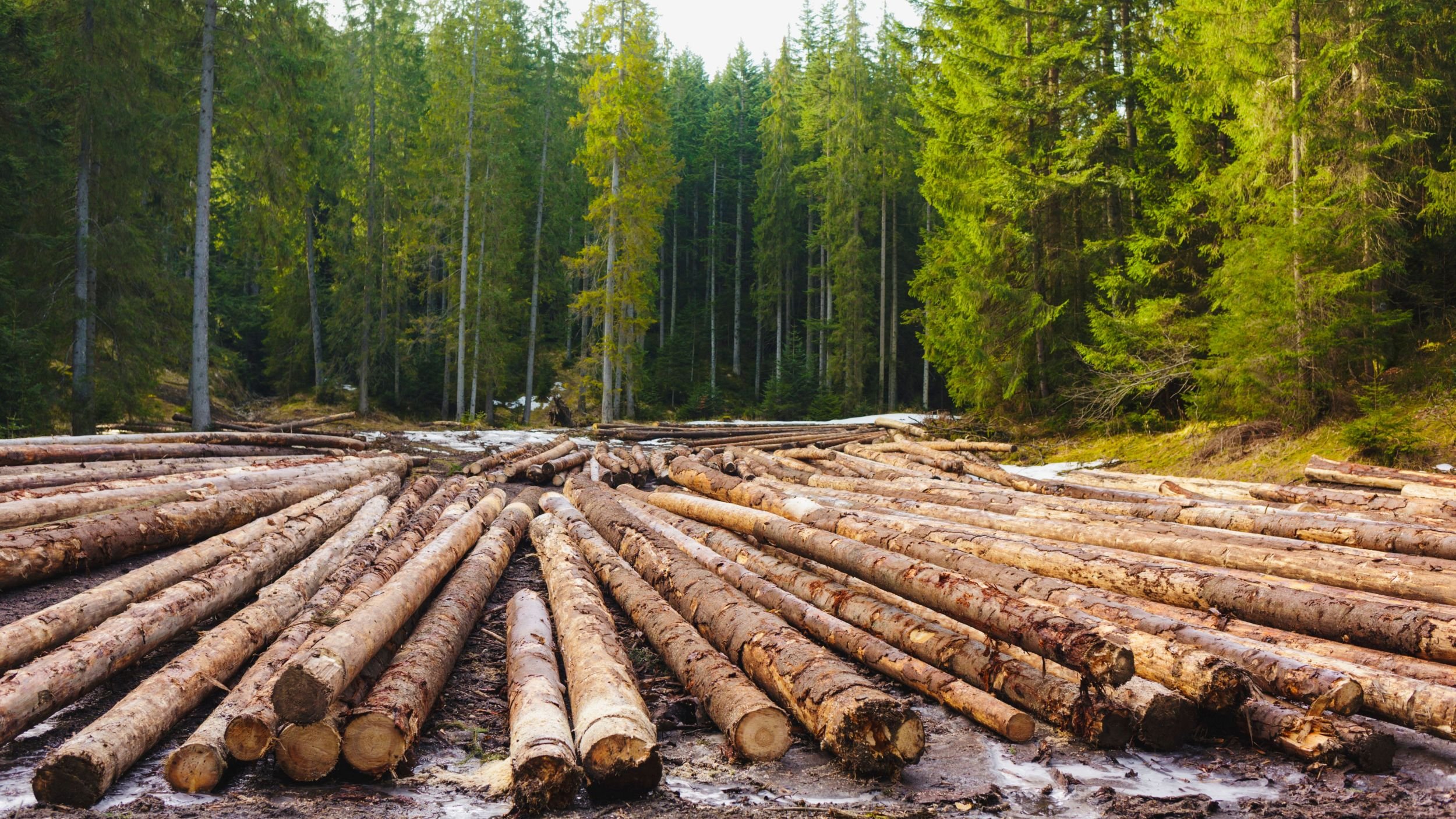
Understanding the entire supply chain, from material supply to delivery is key in hollistic sustainable design.
Embodied Carbon, FF&E and Net Zero Explained
When we discuss net zero buildings, often the focus is on energy use, heating systems, insulation and operational efficiency. While these are important factors, they are not the full picture.
A significant portion of a building’s environmental impact is created before it is ever occupied, through the materials used and the items that fill the space. This is known as embodied carbon.
Where Does FF&E Fit into the Net Zero Conversation?
FF&E sits within embodied carbon. Every item of furniture represents carbon that has already been “spent” through material extraction, manufacturing, transportation and installation.
Unlike energy use, which can be reduced over time, embodied carbon is locked in at the point of purchase. This makes FF&E decisions particularly important, as once they’re installed, their impact cannot be undone.
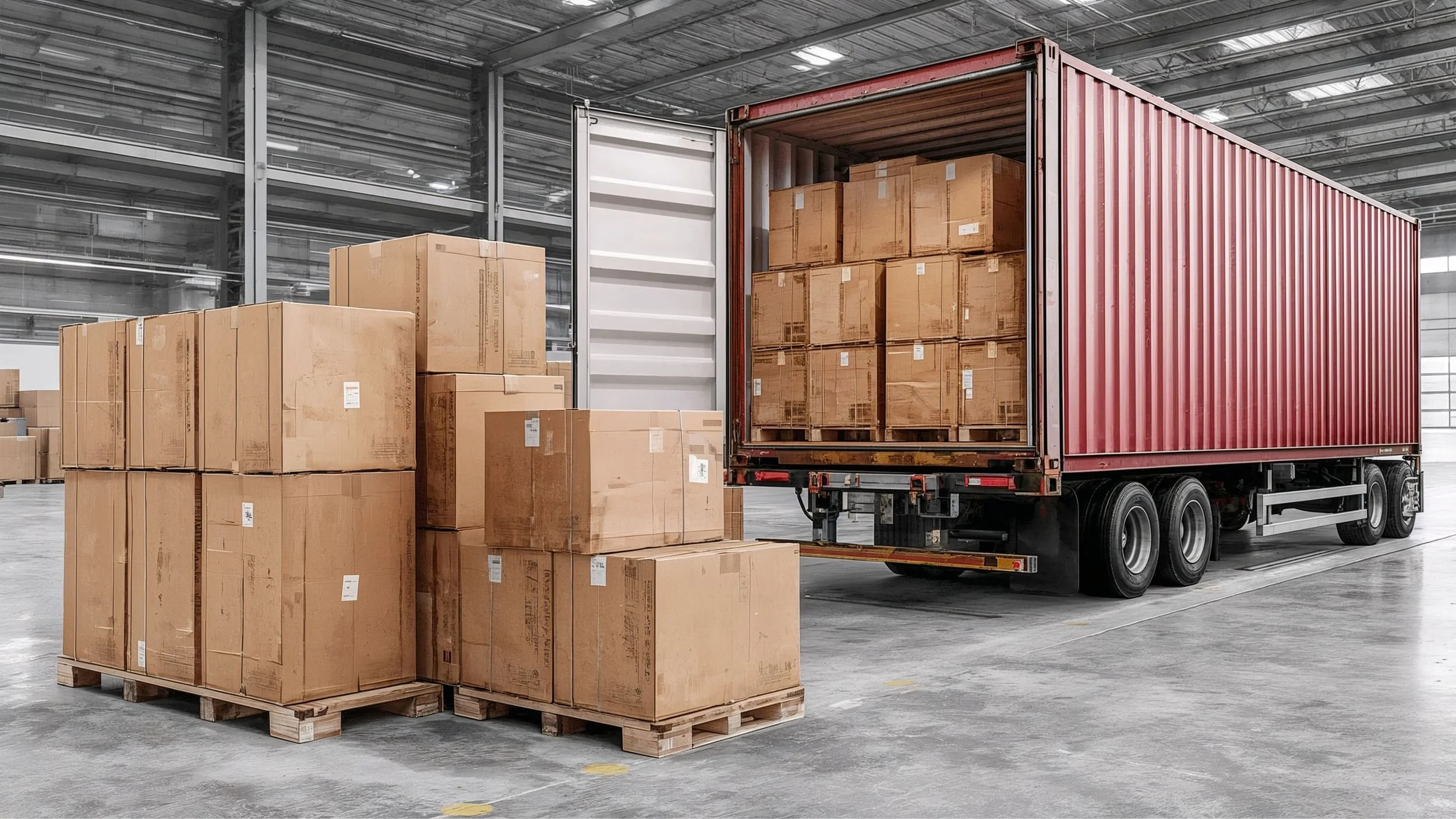
When delivered, the initial carbon impact of furniture, and the associated logistics of delivery and installation, have been “locked in” and cannot be reduced.
Durability Beats Trends
One of the simplest ways to reduce embodied carob in FF&E is to prioritise longevity.
Furniture that is designed to last – and to be repaired – reduces frequent replacement. Another factor to life span is the style of items. Trend led, fashionable, of the moment items can come with short life spans, or start to feel like a “Fad” item after only a few short months.
By considering not only the make up of items, but their style and visual endurance, you can ensure thoughtful choices stand the test of time.
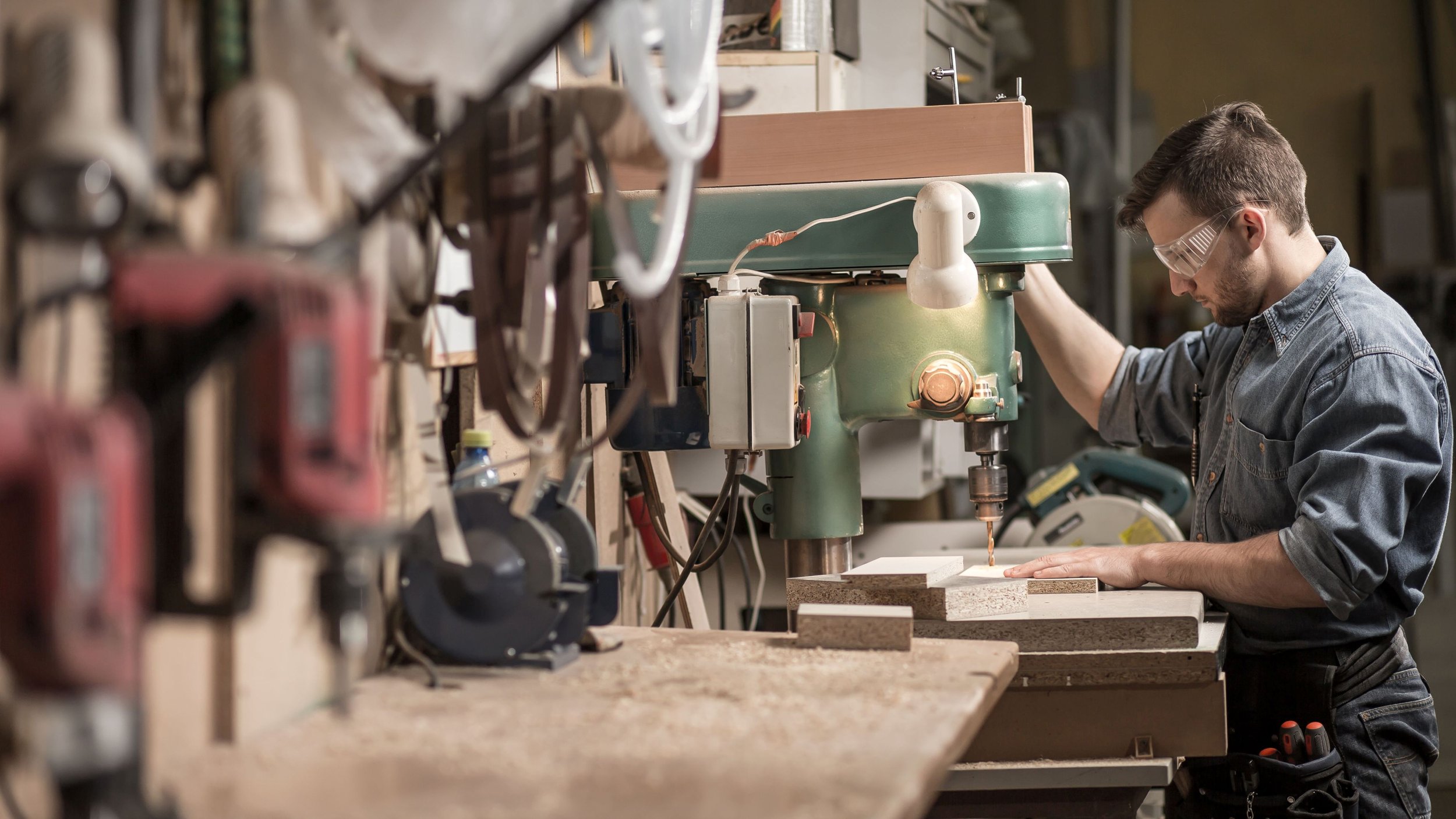
Timeless designs crafted with traditional techniques and materials often outlast modern, trend focused items.
The Practical Way to Think About It.
Rather than viewing net zero as a technical calculation, it can help to see FF&E as part of your long-term asset strategy.
Decisions made at the FF&E level influence not just how your space looks on opening day, but how your business functions, how often repair work is needed, how many replacement cycles you require and therefore how much carbon is generated over the building’s lifetime.
How to Integrate FF&E into a BREEAM or Net Zero Strategy Early
Integrating FF&E into sustainability goals, BREEAM, or net-zero strategy doesn’t mean final decisions need to be made from the outset. What it does require is early visibility and understanding of how FF&E choices will interact with wider project objectives as designs develop.
Define the FF&E Scope Early – understand responsibilities sit across the project team to ensure focus.
Understand Documentation Requirements – know what documentation you can acquire and what stands as credible evidence.
Consider Alternative Compliant Options in Parallel – having options priced and reviewed allows the project to respond to changes.
Focus on Coordination – successfully integrating FF&E into your sustainable aims relies on coordination across disciplines. It sits at the intersection of design, procurement, compliance and delivery. Early collaboration helps align objectives.

FF&E spans design, procurement, compliance and logistics. Easy collaboration is key to meeting objectives.
The Right Way Forward in FF&E
When FF&E is considered early as part of the wider project strategy, sustainability and net zero goals become more manageable, more transparent and more achievable.
It is not about making decisions too soon, it is about asking the right questions to ensure your decisions support the long term performance of your business as it moves from design into delivery and life.