
FF&E Partners vs Designers
Do you need an FF&E partner when you’re working with an interior designer?
Keeping clear boundaries between partners in your FF&E work helps lay strict responsibilities, accountability and deliverables.
FF&E projects include many moving pieces and partners working to create one final vision. Assigning clear responsibilities for each partner helps keep projects running smoothly and to schedule. This article has been written to highlight key differences and typical responsibilities that are expected from your designers and FF&E partner.
The Role of an Interior Designer
The Brand Visionary
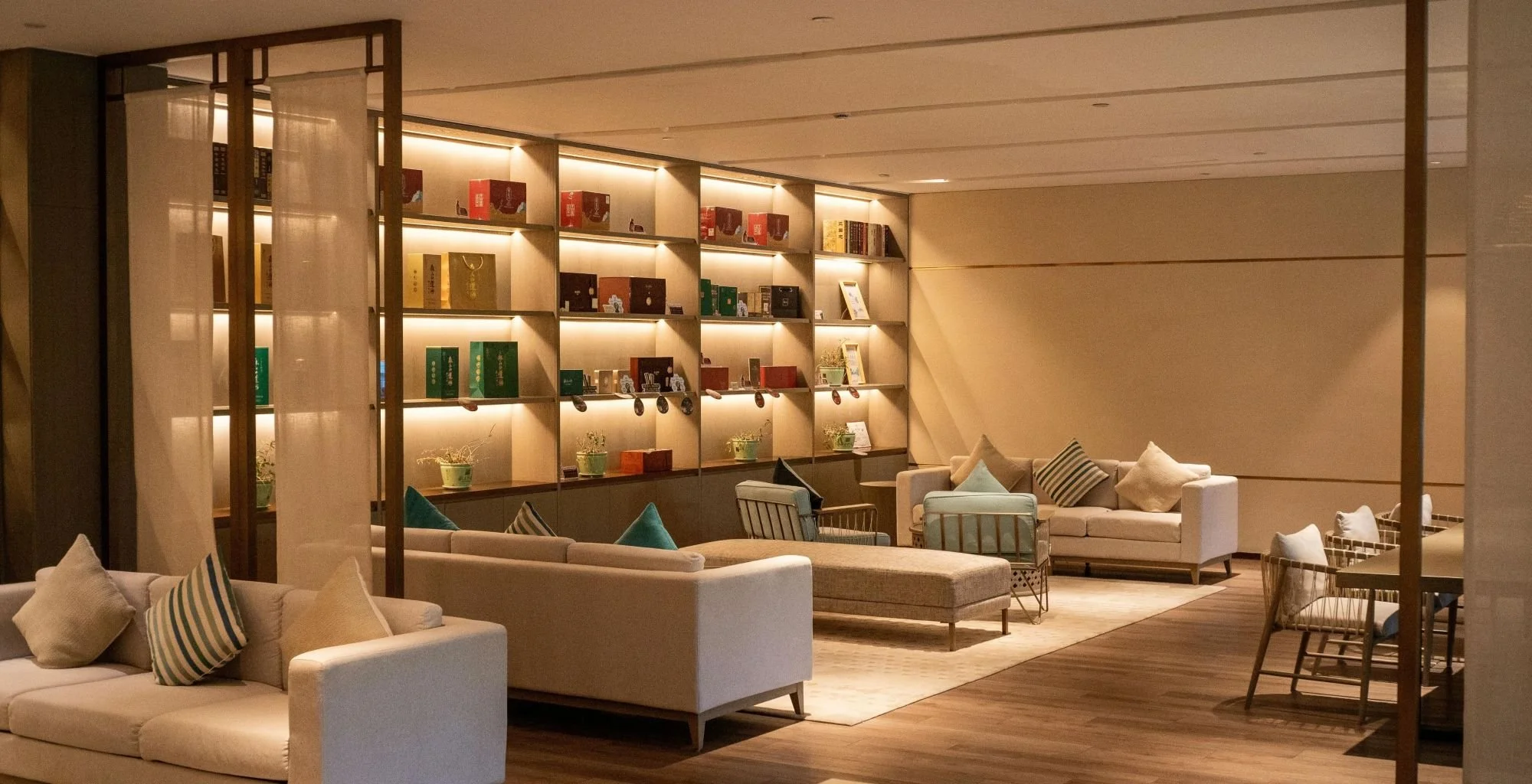
Your designer is the visionary for your project. They work with you to create complete design schemes, vision boards and material ideas. Your designer learns about the business, functions of each space and the holistic brand experience you are aiming to create. Using their knowledge of psychology and interest in emerging trends, they bring ideas to mind that create beautiful, cohesive spaces.
At times, designers prioritise the aesthetics more than the practical sourcing, building and pricing of items for schemes. They may have suppliers in mind, but where bespoke items are required, estimates run the risk of undervaluing project costs.
The Role of Your FF&E Partner.
Interior Design
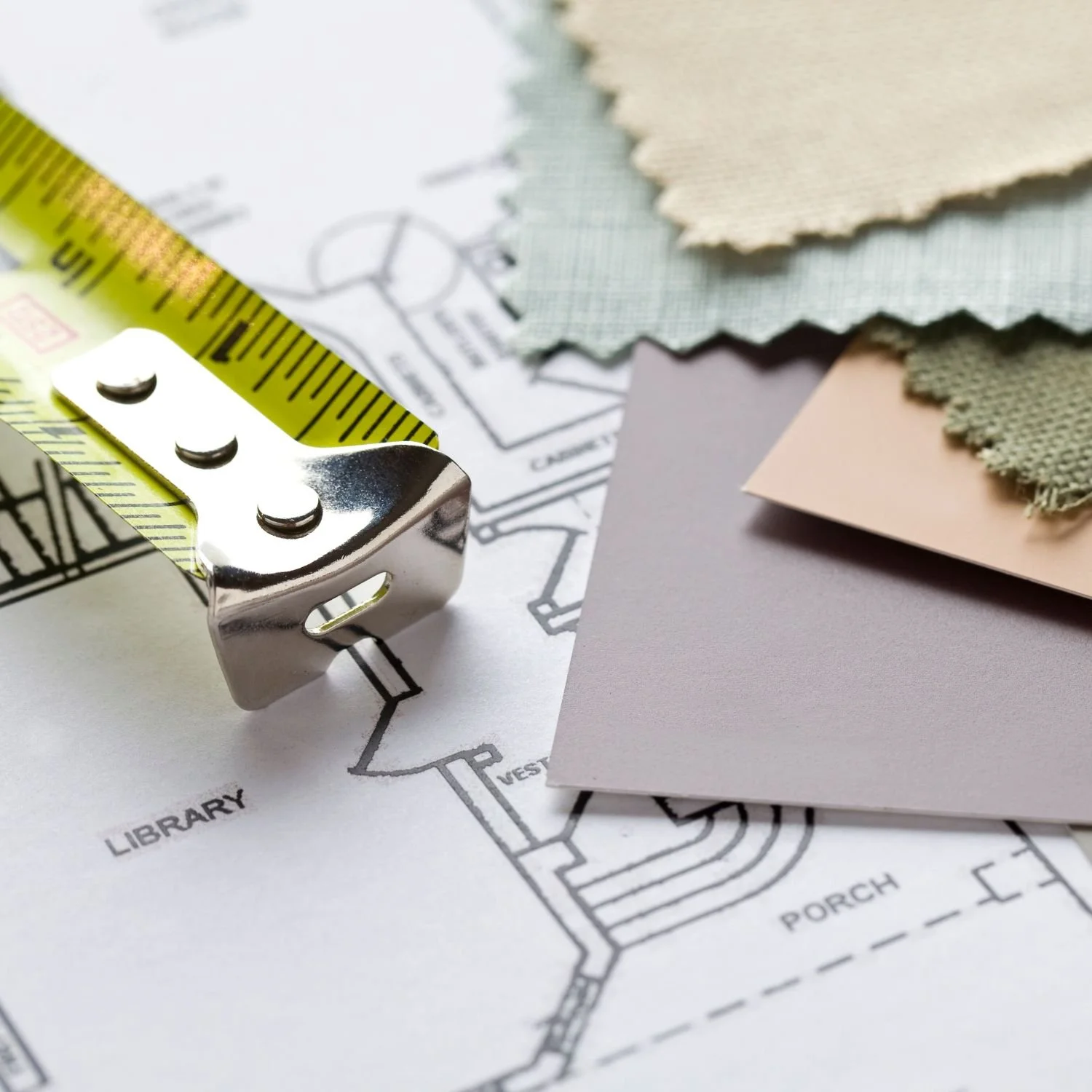
Experienced FF&E suppliers have the knowledge and experience to provide high-quality interior design advice. From initial concepts through to mock-ups, sample products and moodboards, they can provide design advice based on their experience within the field.

Value Engineering
Value engineering is a key skill FF&E partners bring. This involves taking ideas and calculating the most cost-effective way to make ideas a reality. This involves reviewing cost-saving manufacturing methods and alternative materials to create the intended vision and quality, while retaining Cost Per Room aligned with the budget.

Procurement
Once the design and costs have been refined, your FF&E partner then gets to work ordering items. All furniture, fixtures and equipment can be purchased through your FF&E partner. Their longstanding working relationships with suppliers ensure effective and seamless procurement of items.

Consolidation
FF&E providers often offer a consolidation service, where all deliverable items are delivered to one location and warehoused ahead of delivery. This provides time and space for quality control and for stock to be taken ahead of installation. From this central location, all sourced items can then easily be delivered in phases.
Why Setting Boundaries is Important
The role of an FF&E partner and an interior designer can easily overlap. This causes confusion and a lack of accountability if not managed properly. When you work with both, we recommend bringing them together as early in the process as possible.
Site surveys and project planning meetings are a great way to get everybody involved. Clearly outlining who is responsible for the final deliverables helps prevent costly delays when action isn’t taken or when multiple people are working on one task.

Do I Need an Interior Designer for FF&E Projects?
Interior designers bring a heightened level of creativity to any interior project. Many FF&E partners provide high-quality design advice in-house, and dedicated interior teams bring an enhanced ability to create a cohesive vision for long-lasting style.
Looking to start your next FF&E interior refurbishment project? Look no further than Elite. We have over 70 years of experience in the contract furniture business, supplying and installing on sites around the country.
Contact the team to start your project and book your no-obligation consultation meeting.