
Hotel FF&E Refurbishment
How to Renovate Hotel Spaces Without Disrupting Operations
Refurbishing a hotel is very different from furnishing a new one. On a new build project, the FF&E can be delivered into an empty shell, installed room by room and without disrupting guests within the space.
Hotel refurbishment is rarely that simple.
Many hotels must continue operating while bedrooms, suites, restaurants, lounges and public areas are being transformed. This brings a unique set of challenges.
Timing, execution, installation and minimising guest disruption must all be carefully scheduled and planned.
Why Hotel FF&E Refurbishment is Different
Hotel furniture has a demanding life.
Guest bedrooms can be occupied hundreds of times each year. All furniture and accessories are subjected to repeated and unpredictable use, cleaning and maintenance.
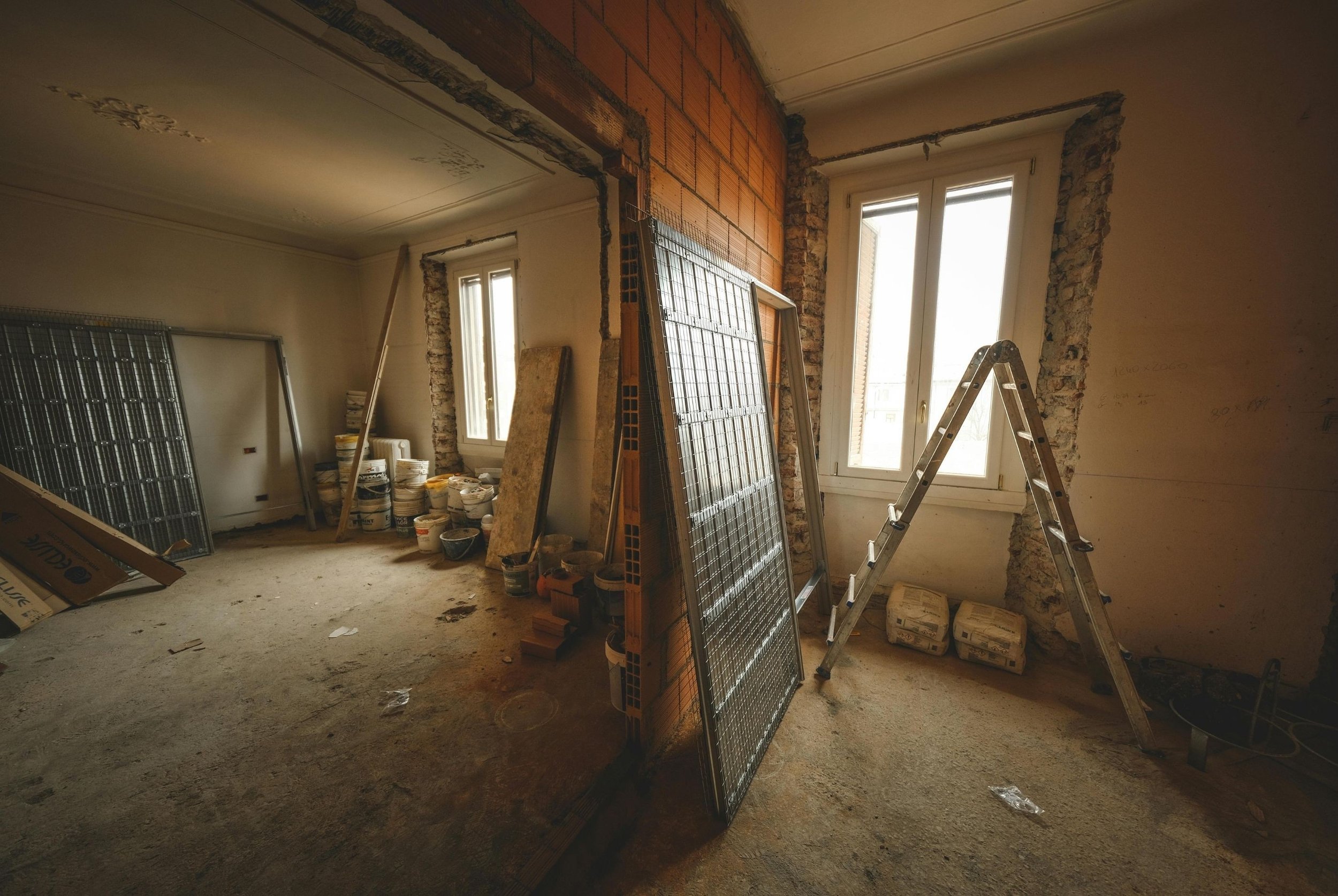
Over time, even the best-designed interiors can begin to look tired. Even the smallest snags can leave a bad taste in customers’ mouths, reflecting poorly on your company and slipping behind hotel brand standards.
However, it is unreasonable to close an entire property to replace its FF&E.
Refurbishment must balance several competing priorities:
· Maintaining the live guest experience
· Keeping as many rooms operational as possible
· Minimising disruption
· Protecting the existing building
· Controlling project costs
· Maintaining design consistency
· Managing deliveries and storage
· Completing installation efficiently
· Managing installation programmes
When you review the steps necessary for live refurbishment, you see that a project requires considerably more planning than simply ordering new furniture.
When Should a Hotel Consider an FF&E Refurbishment
There is no set lifespan for hotel furniture. Depending on the occupancy rate, quality of original FF&E, brand positioning and maintenance regime, the timeline for replacement varies greatly.
However, there are several signs that indicate an FF&E refurbishment may be needed:
-
Scratches, dents, damages to veneer, worn upholstery, bobbling, fading on curtains, discolouring on touchpoints, and tired finishes that affect how guests perceive a room.
-
Even furniture that remains functional can make a hotel fall behind the target market when the design is outdated.
-
When repairs are becoming more frequent, replacement or refurbishment can make more sense than ongoing and increasing costs.
-
When brand vision changes and brings a new customer profile, you may need new FF&E to reflect the new guest experience.
-
Brand updates often require new furniture and finishings so interior elements reflect the new target market.
-
Guest reviews tell the truth, and when furniture starts creeping into comments, this indicates that the time has come for a refresh.
Refurbishment Doesn’t Always Mean Replacing Items
A key question to ask is whether everything actually needs to be replaced.
A hotel refurbishment can involve a combination of:
Replace – items that are no longer suitable, damaged or beyond reasonable economic repair.
Repair – furniture or finishes that remain structurally secure but need a new finish or colour treatment.
Reupholster – seating and furniture can be given a new life through replacement of fillings and fabrics.
Reuse – sometimes items simply need to be reconfigured to bring new life into a space.

The Challenge of Refurbishing an Occupied Hotel
This is where a refurbishment becomes particularly interesting. Guests are checking in and out, housekeeping is turning rooms, restaurants are still serving, and staff require access to the building.
A refurbishment therefore needs to work around the hotel’s operational requirements.
This is achieved through phased refurbishment.
Instead of taking an entire floor or department out of operation, a project must be divided into manageable phases.
For example:
Phase 1 – Guestrooms 101 – 110
Phase 2 – Guestrooms 111 – 120
Phase 3 – Guestrooms 201 – 210
The approach will depend on the size, layout, room types and occupancy levels within the specific hotel. The principle remains the same:
Take only the necessary areas out of service, complete them efficiently and return them to operation as quickly as possible.
Working Around Occupied Rooms
One of the most important considerations is the relationship between the refurbishment team and hotel guests.
Noise, dust, deliveries, blocked corridors, and installation teams moving through guest areas can all have an impact on the guest experience.
Working hours – is overnight work preferable?
Guest check-in and check-out time – can deliveries avoid busy hours?
Service routes – are there staff corridors that could be used?
Noise – what methods, tools and hours will help reduce noise?
Dust and protection – how are messy jobs being cleaned?
Contractor access – are public areas or staff doors better?
Temporary storage – where can new items be kept ahead of installation?
Waste removal – who is responsible, and can contractors use hotel waste?
Housekeeping requirements – what tools and people should clean refurbishment mess?
Fire and safety procedures – with new tools and more people, you should consider plans.

How to Minimise Disruption to Hotel Guests
There is no way to refurbish a hotel without unusual activities and disruption taking place.
The objective is to control the disruption rather than taking the head-in-the-sand approach.
Good planning is key.
-
Where possible, particularly disruptive activities should be scheduled around guest activities. Avoid common sleeping hours, nap times, or times when adjacent rooms are highly occupied.
-
Furniture should not be kept in corridors or public areas.
-
Existing carpets, walls, doors, lifts and other finishes can be vulnerable to damage due to the increased movement, tools and furniture being shifted. Appropriate protection should be installed before work begins to avoid a snowball effect on the refurbishment programme.
-
Refurbishment works should be contained within their specific site. A refurbishment area should look like a controlled and professional work zone rather than a construction site.
-
Housekeeping teams know the rooms, operational patterns and guest behaviours better than almost anyone. Getting to know the housekeeping team can help you identify any practical issues that may otherwise be missed.
What Happens to the Old Hotel Furniture
Removing existing FF&E creates another challenge for the team and poses an important question. Where does old hotel furniture go?
Depending on its condition and the owner’s objective, there is a wide range of options: reusing it elsewhere, refurbishment, selling, donating, recycling and disposal.
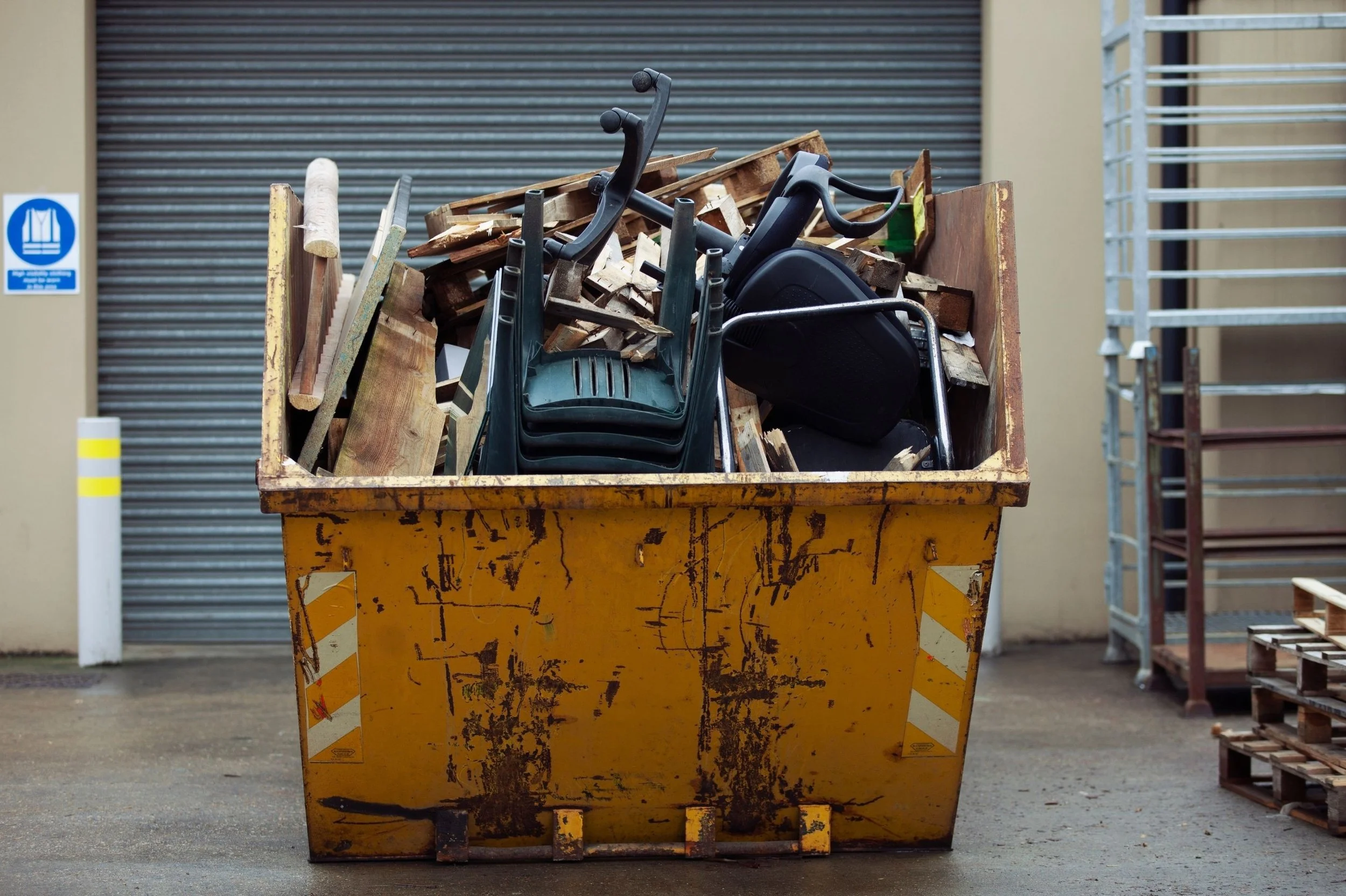
This should be considered before the refurbishment begins. If hundreds of beds, tables, chairs, etc are to be removed, you need a clear plan for their final destination.
Not only can you save high costs in waste removal and skip hire, but you can also create positive press and meet environmental targets through donation and reuse of items for other businesses.
Hotel Refurbishment and Budget Control
A hotel refurbishment budget needs to account for more than the cost of new furniture items. Cost considerations are mapped below.
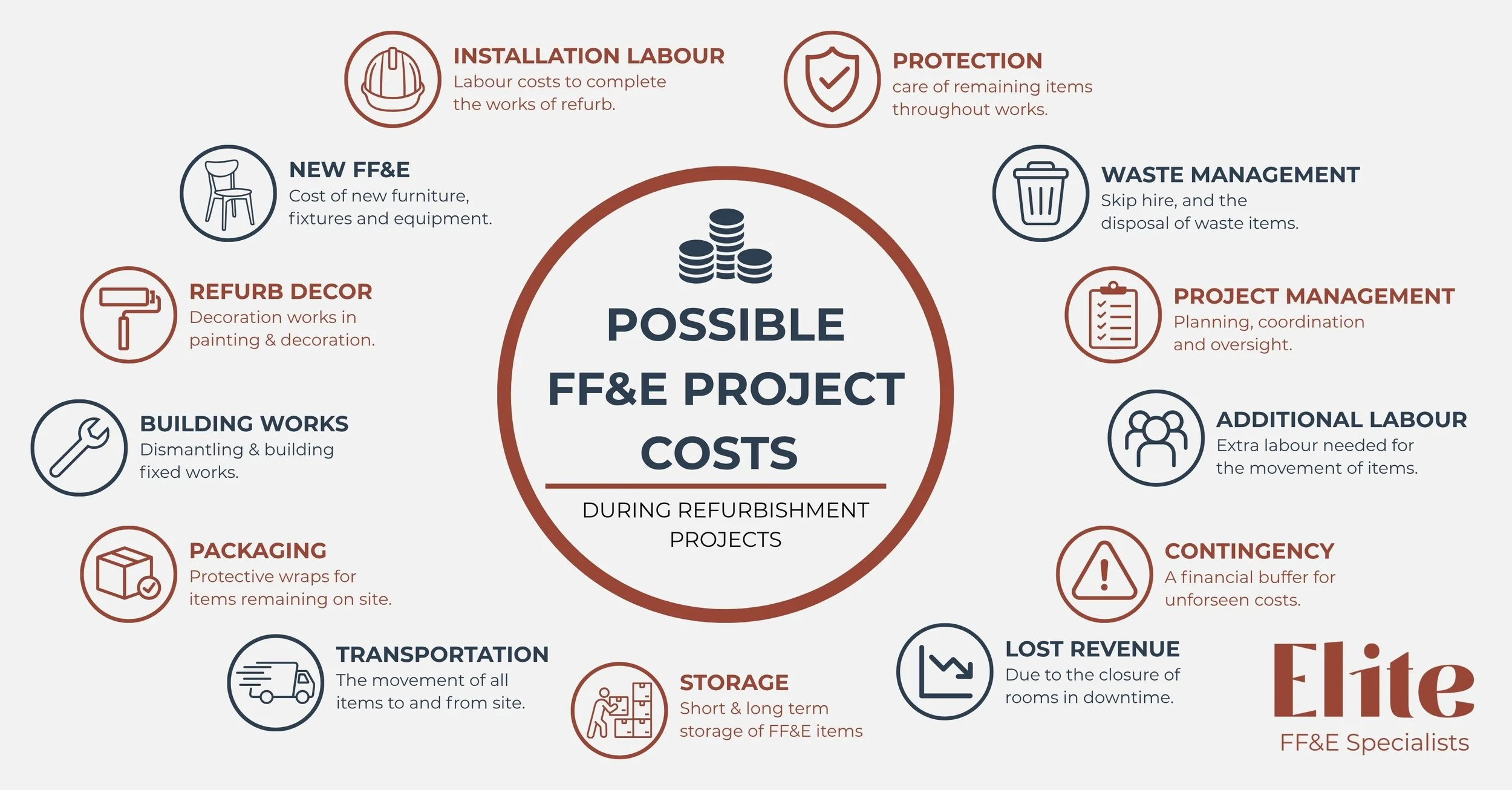
This demonstrates why low furniture costs do not equal low overall project costs. At times, off-the-shelf furniture suppliers don’t offer just-in-time delivery, installation etc.
The real question is:
What will it cost to deliver the completed refurbishment with the required quality and minimum disruption to the hotel?
Common Refurbishment Mistakes to Avoid
-
The refurbishment programme needs to work around the operational realities of the hotel.
-
Long-lead times and bespoke items can quickly become a programme risk.
-
The physical movement of hundreds of items takes people and time!
-
Storage should be considered and planned well ahead of delivery dates.
-
Existing finishes are easily damaged during installation. Covering and care are key.
-
A room is not finished simply because the furniture is in position. Snagging is essential and cleaning required before the room can be used!
Planning a Hotel Refurbishment?
Whether you are refreshing a small boutique property, undertaking a phased bedroom refurbishment or carrying out a wider hotel renovation, the earlier the FF&E process is considered, the more control you have over the final result.
A successful refurbishment needs to balance design, quality, budget, programme and hotel operations.
The goal is never to simply install new furniture. It is to deliver a finished hotel that feels fresh to the guests, works for the operator and has been delivered with as little disruption as possible.
For hotel owners, developers and designers, planning an FF&E refurbishment, involving an experienced FF&E partner early helps you identify potential issues before they become an expensive headache!
If you are planning a hotel refurbishment and need support with sourcing, specification, manufacturing, delivery or installation, speak to Elite FF&E about your project today.